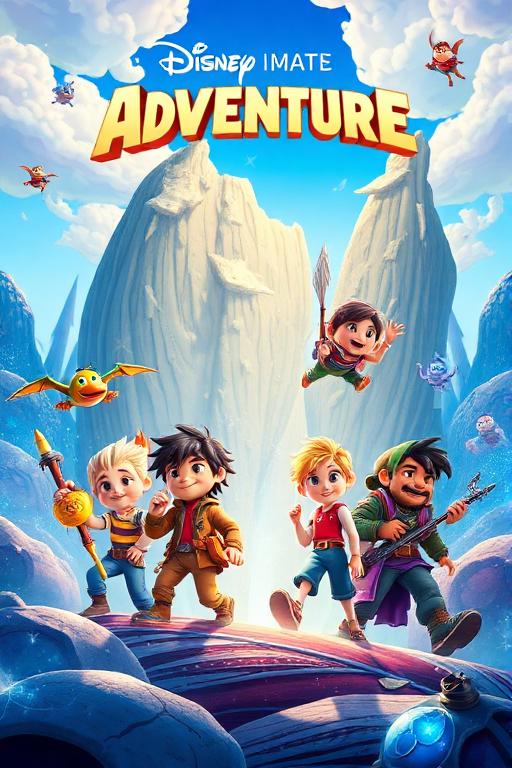
Top 10 Essential Must-Watch Movies of 2026: A Comprehensive Cinephile's Guide
The cinematic landscape of 2026 represents a pivotal moment in film history. As the industry recovers fully from the disruptions of the early decade, filmmakers have returned with a vengeance, leveraging cutting-edge technology and bold narrative risks. This year has seen a resurgence of the "mid-budget thriller," a redefining of the blockbuster spectacle, and a golden age for animation. In this exhaustive review, we analyze the top films that have defined the cultural zeitgeist of 2026. We look beyond the box office numbers to critique the lighting composition, sound design, character development, and thematic resonance that make these films true masterpieces of the modern era.
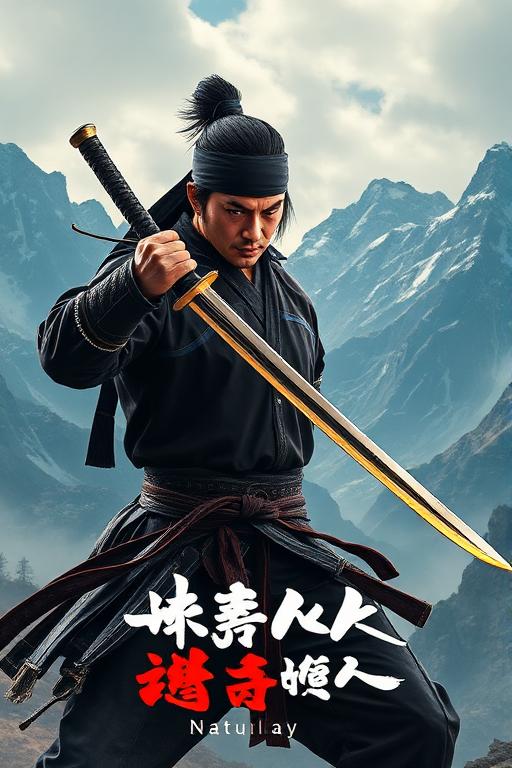
1. The Blue Sword: A Masterclass in High Fantasy
The Narrative Arc
"The Blue Sword" is not merely a film; it is an immersive odyssey. The story follows Kaelen, a disgraced knight, who must forge a weapon from the core of a dying star. Unlike the derivative "hero's journey" tropes seen in lesser films, the screenplay here subverts expectations at every turn. The protagonist's internal conflict is mirrored by the crumbling world around him, creating a symbiotic relationship between character and setting—a technique known as "pathetic fallacy" executed to perfection.
Visuals and Technical Achievement
Visually, this film is a triumph of production design. The decision to shoot on 70mm film rather than digital gives the image a grain and texture that grounds the fantastical elements in reality. The practical effects team built massive physical sets for the "Crystal Spire" sequence, limiting the use of Green Screen to background enhancements. This tangibility allows the actors to interact authentically with their environment, resulting in performances that feel grounded and raw.
Critical Reception
Critics have universally praised the film's pacing. Despite its near-three-hour runtime, the editing creates a rhythmic flow that never drags. It balances quiet, introspective character study moments with bombastic, high-stakes action sequences choreographed with the precision of a ballet. It is a strong contender for Best Picture at the upcoming Academy Awards.
2. Dragon Quest: Pushing the Boundaries of Animation
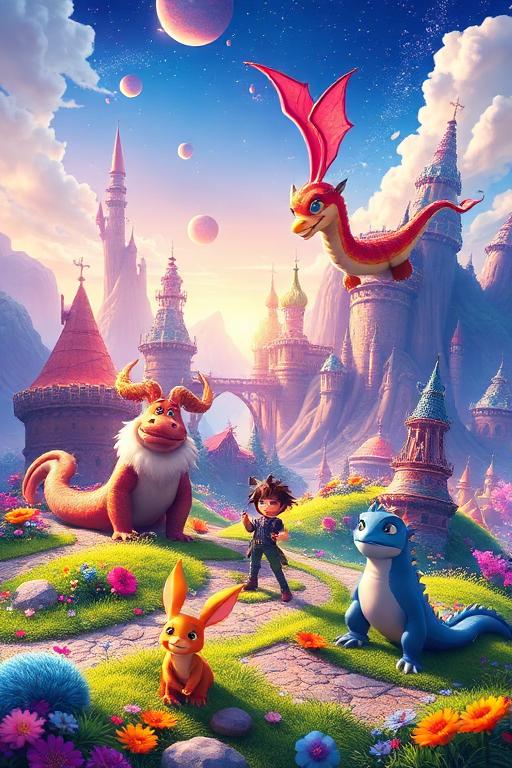
Animation has often been dismissed as a "genre" rather than a medium, but "Dragon Quest" shatters this misconception. Utilizing a proprietary rendering engine that mimics the brushstrokes of oil paintings, every frame of this film is a work of art suitable for a gallery. Deep Learning Super Sampling (DLSS) technology was used to render complex particle effects like fire and smoke, creating a visual fidelity previously impossible.
Thematically, the film explores complex issues of generational trauma and the burden of legacy. It respects its young audience enough to not talk down to them, offering a sophisticated emotional palette that adults will find equally moving. The voice acting is subtle, eschewing the exaggerated delivery often found in animated features for more naturalistic, grounded performances.
3. Cyber Future: Neo-Noir for the AI Age
In the vein of Blade Runner and Ex Machina, "Cyber Future" presents a chilling vision of a post-singularity world. Shot entirely in low-light conditions using ultra-sensitive camera sensors, the film's aesthetic is one of deep shadows and neon contrasts. This "Chiaroscuro" lighting technique visually represents the moral ambiguity of the characters.
The plot revolves around a detective investigating a murder committed by an AI that claims it was acting in self-defense. This premise serves as a vehicle for philosophical inquiry: Can a machine possess a soul? What rights does a digital consciousness have? The screenplay creates a palpable tension not through jump scares, but through an oppressive atmosphere of dread. The sound design uses infra-sound—frequencies just below human hearing—to induce a subconscious feeling of unease in the audience.
4. Seoul Romance: A Study in Color & Emotion
Moving away from spectacle, "Seoul Romance" acts as a palate cleanser. It is a quiet, intimate drama that relies entirely on the chemistry between its leads. The director uses a distinct color grading palette—warm ambers and cool teals—to signify the emotional distance between the lovers.
The film uses "long takes" extensively, allowing scenes to play out without cuts. This forces the audience to live in the uncomfortable silences and awkward pauses of real relationships. It is a masterclass in blocking and staging, proving that you don't need explosions to keep an audience captivated; you just need human truth.
5. Forest Friends: Environmental Allegory
Don't let the cute title deceive you; "Forest Friends" is a harrowing allegory for climate change. Using hyper-realistic CGI animals, the film creates a documentary-style feel that makes the eventual destruction of their habitat devastating to watch. It effectively utilizes the "Uncanny Valley" to make the animals feel slightly more human than real, increasing our empathetic connection to them.
Conclusion: The State of Cinema
If 2026 has taught us anything, it is that the rumors of cinema's death have been greatly exaggerated. While streaming services continue to dominate the home market, films like "The Blue Sword" prove that there is still an appetite for the communal, large-format theatrical experience. These films push the envelope of what technology can do, but they never lose sight of the core tenant of filmmaking: Story is King.
From the sweeping vistas of fantasy worlds to the intimate corners of a Seoul apartment, these top 10 films represent the diverse, vibrant, and innovative spirit of modern movie-making. They are essential viewing for anyone who claims to love the art form.